
When it comes to shaping the environments where students learn, play, and grow, every detail matters. The right K-12 campus landscaping helps create safer, more engaging, and more sustainable spaces that inspire pride in students, teachers, and communities.
A well-designed landscape is an extension of the learning experience. From the first bell to the last bus, every outdoor area should contribute to education, wellness, and a sense of belonging. Whether it’s welcoming pathways that guide students between buildings, shaded courtyards that encourage outdoor study, or low-maintenance plantings that stretch the budget further, the impact of good design is undeniable.
Below, we’ll explore the best practices for designing and maintaining K-12 campuses that are as functional as they are beautiful.
Core Principles of Effective K-12 Campus Landscaping
The foundation of exceptional K-12 campus landscaping rests on three key pillars: functionality, safety, and sustainability.
Each campus environment, whether elementary, middle, or high school, requires its own approach within those principles. We adapt designs to match how students use space at each stage of their educational journey.
Elementary Schools: Spaces That Encourage Play and Discovery
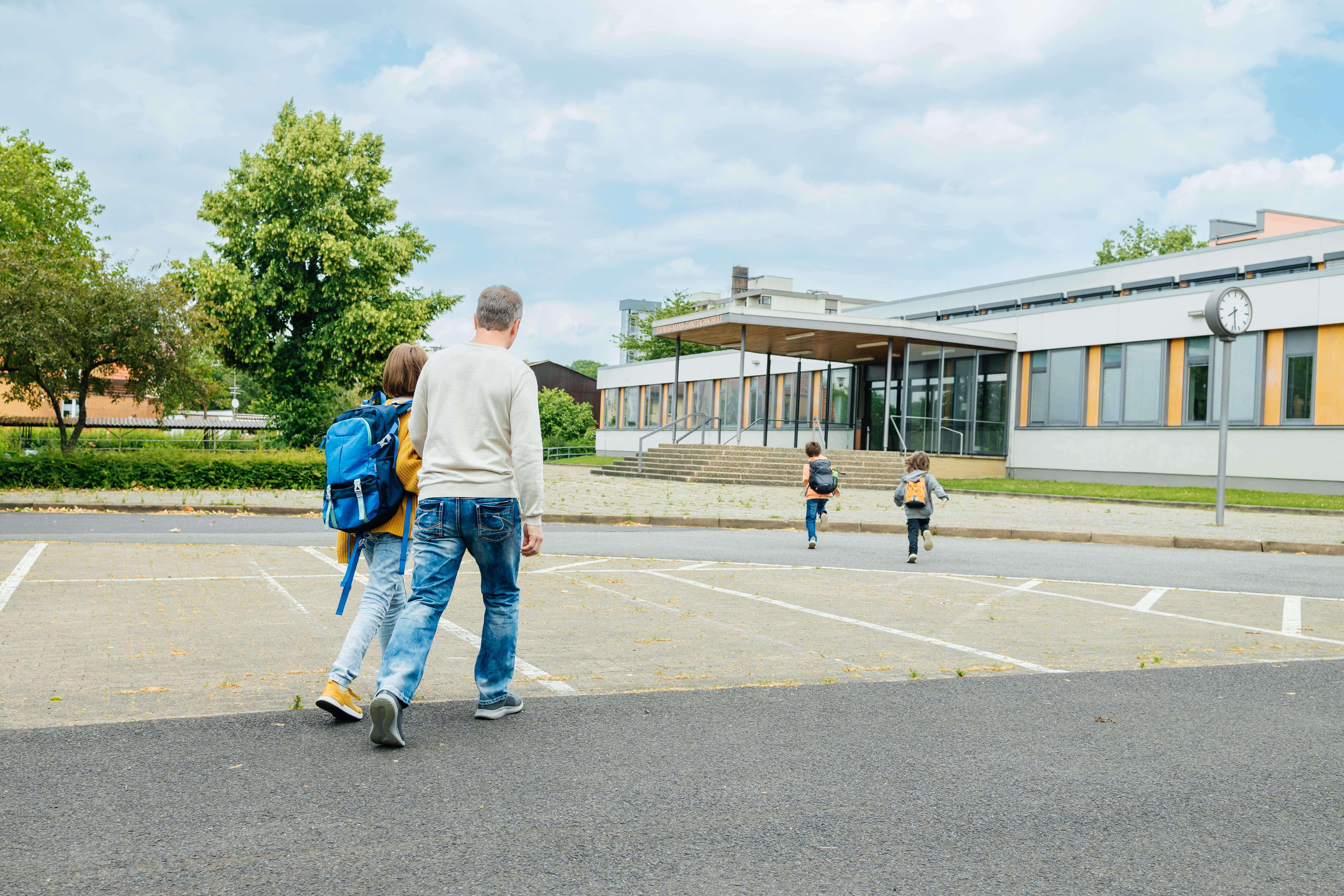
For elementary students, landscapes should nurture curiosity, imagination, and safety above all else. These are active, high-traffic areas where functionality and supervision go hand-in-hand.
Best practices include:
- Defined play zones with safety-rated surfacing and shaded areas for comfort.
- Clear sightlines for teachers and staff to monitor students at all times.
- Sensory and learning gardens that are low-maintenance, hands-on spaces where children can engage with plants, textures, and pollinators.
- Scaled elements such as benches, pathways, and signage designed for smaller children, with accessible materials and rounded edges.
Middle Schools: Spaces That Support Exploration and Growth
As students mature, outdoor spaces can help foster independence, teamwork, and personal connection to the environment. Middle school landscapes benefit from flexible, multipurpose designs that adapt to a wide range of activities.
Best practices include:
- Flexible open areas that can accommodate both structured activities (like science projects or small group learning) and informal social gathering.
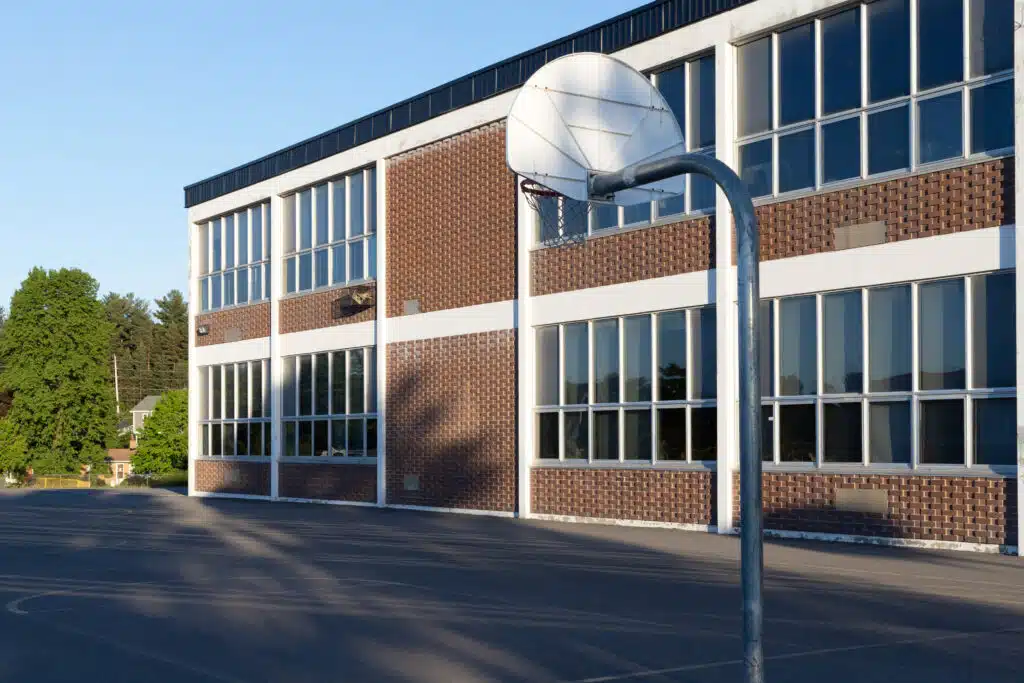
- Durable materials like brick, concrete, and reinforced turf that can withstand heavy use and reduce long-term maintenance.
- Defined transition zones between learning areas, athletic fields, and bus routes for safety and organization.
- Native shade trees and seating nodes that give students a sense of ownership and comfort in outdoor spaces.
High Schools: Spaces That Reflect Community and Pride
High school campuses should feel functional, refined, and reflective of school identity. Landscaping plays a big role in reinforcing pride, belonging, and even college readiness by modeling professional, mature environments.
Best practices include:
- Architecturally aligned design elements such as retaining walls, walkways, and plant palettes that mirror the building’s materials and tone.
- Defined entrances and gathering areas that create a strong sense of arrival and showcase school branding.
- Outdoor learning and collaboration zones like amphitheaters, courtyards, and shaded study spaces.
- Low-maintenance, sustainable plantings to reduce long-term operational costs while maintaining polish.
- Lighting for safety and after-hours activities, ensuring the campus remains secure and usable for events.
Safety First: Designing Landscapes That Protect Students
Safety is the foundation of any successful campus landscape design.
A well-planned K-12 environment accounts for how students move, play, and interact with outdoor spaces every day.
Here’s how Elevate Outdoor brings that focus to life:
- Clear Sightlines: Open sightlines between buildings, play areas, and parking lots allow for natural supervision and reduce hidden corners where visibility is limited.
- Slip-Resistant Pathways: Using textured pavers or broom-finished concrete helps prevent slips during rain or snow.
- Appropriate Plant Selection: Choosing non-toxic, low-allergen plants ensures that the landscape supports student health. We also avoid species with sharp thorns or heavy pollen in high-traffic zones.
- Playground and Recreation Safety: Incorporating safety-rated surfacing materials and strategically placed shade trees or pergolas keeps play areas comfortable and compliant with modern safety standards.
Sustainability and Smart Maintenance Planning
Today’s school leaders want landscapes that look great, cost less, and last longer. That’s where sustainable design comes in.
Here are some of the practices that make that possible:
- Native and Drought-Tolerant Plantings: By selecting species that thrive naturally in Missouri’s climate we create landscapes that require minimal watering and fertilization.
- Efficient Irrigation Systems: Smart irrigation controllers and drip systems conserve water while ensuring that turf and plantings stay healthy year-round.
- Low-Maintenance Design: Strategic groundcover choices and mulch beds minimize mowing areas and prevent weed growth.
- Seasonal Maintenance Planning: Our proactive maintenance teams build custom schedules around the academic calendar, ensuring that trimming, fertilization, and cleanup happen during off-peak hours or breaks.
Enhancing Learning and Engagement Through Outdoor Design
Landscaping has the power to extend the classroom beyond the walls.
More schools are recognizing that students benefit from fresh air, hands-on learning, and time outdoors. With intentional design, educational landscapes can promote both academic and social growth.
Some of our favorite campus enhancements include:
- Outdoor Classrooms: Natural stone seating, shade sails, and native plant gardens that make learning engaging and interactive.
- Pollinator Gardens: Hands-on science in real time, students can observe butterflies, bees, and seasonal plant cycles.
- Wellness Trails: Walking paths that promote mindfulness and physical activity during breaks.
- Community Connection Zones: Courtyards and plazas where students gather for lunch, clubs, and performances, spaces that reinforce school pride.
When designed with purpose, these environments foster creativity, collaboration, and well-being—key ingredients for academic success.
Creating School Grounds That Inspire
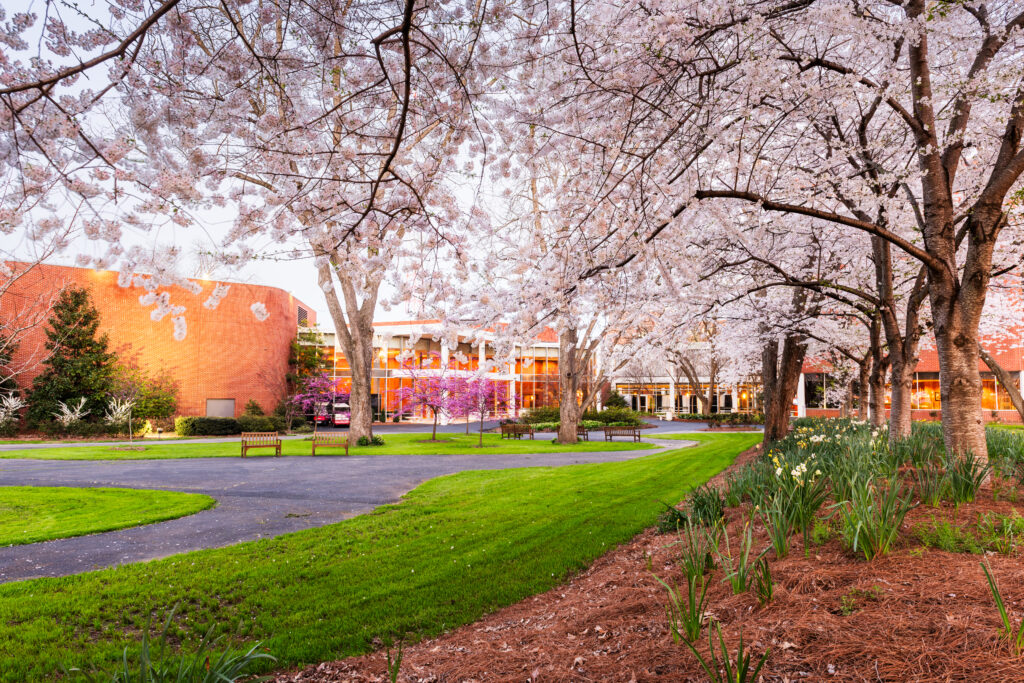
A well-designed K-12 campus landscape is a reflection of the school’s commitment to safety, sustainability, and student success.
At Elevate Outdoor, we take pride in creating spaces that do more than meet functional needs, they foster joy, learning, and community pride. From shaded play zones to sustainable plantings and polished walkaways, every detail is handled with care.
If you’re ready to enhance your school’s outdoor environment, our team is here to help you design, build, and maintain a landscape that stands the test of time. Connect with an expert and let’s create a campus where safety, sustainability, and beauty come together.